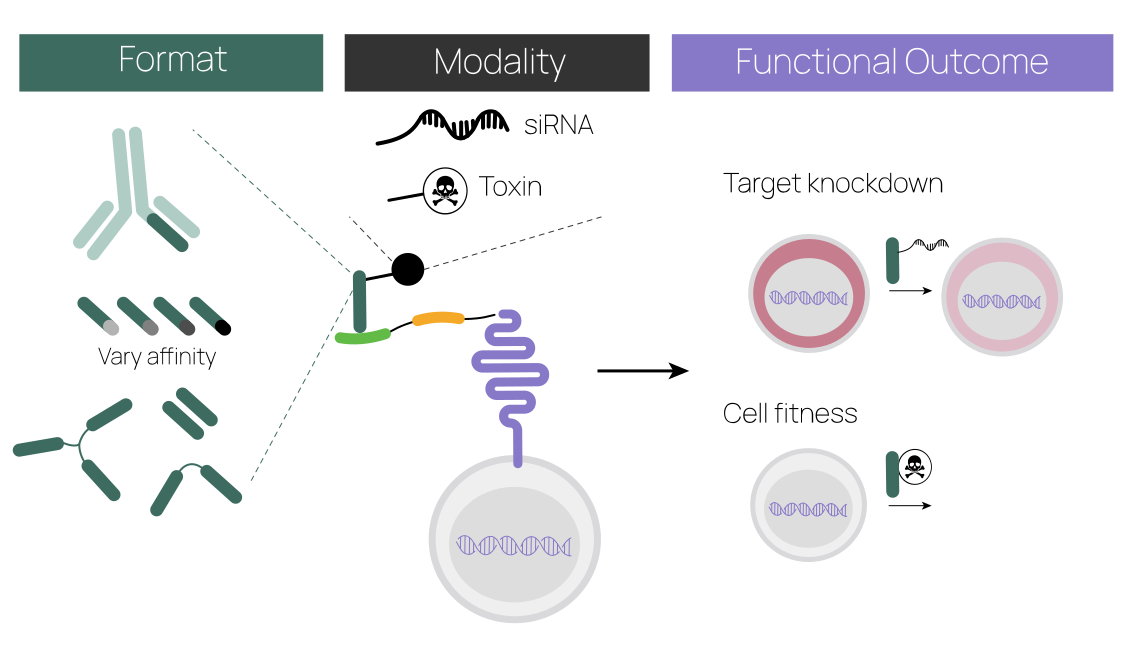
Platform overview
Targeted delivery requires surface proteins specific to the right cells, present at the right abundance on those cells, and that get cargo to the appropriate place within the cell. We will measure these properties across tissues and cell types through a combination of proteomics and functional genomics technologies.
Protein abundance
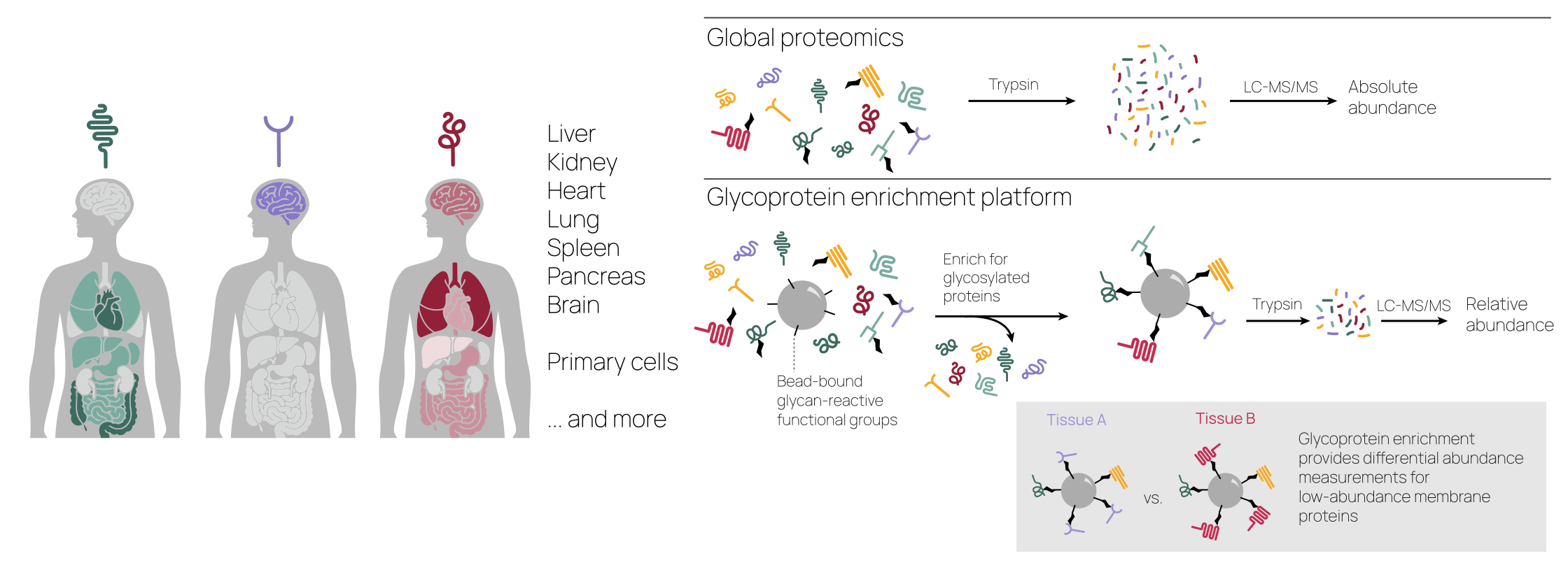
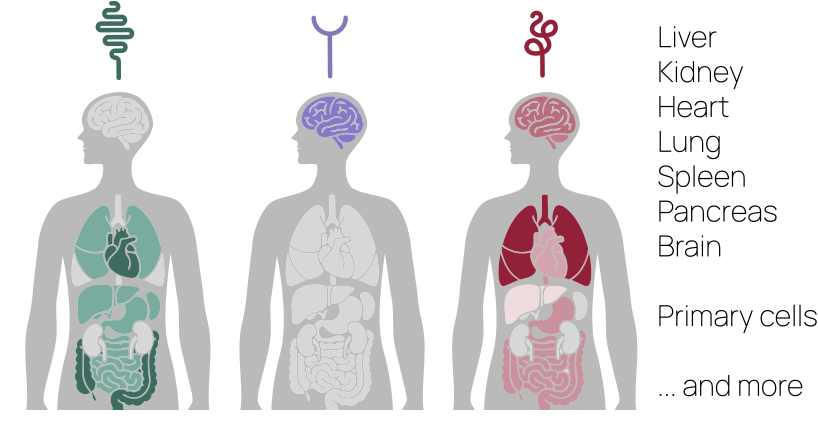
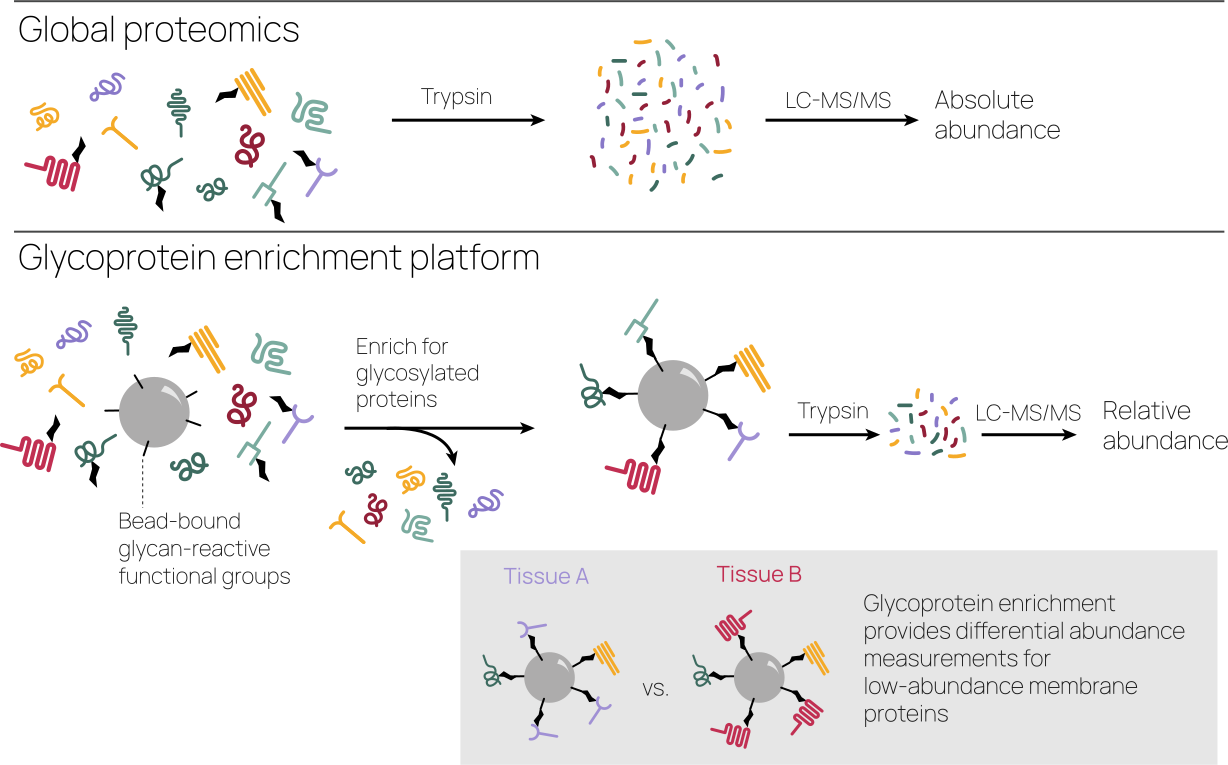
Most targeting decisions rely on existing RNA atlases — but what matters for delivery is protein on the cell surface, and the two routinely disagree. We're developing two complementary approaches for measuring surface protein abundance directly: (1) global DIA mass spectrometry, which gives absolute copy numbers across the proteome, and (2) glycoprotein enrichment, which trades absolute counts for deeper coverage of the glycoproteins commonly found on the cell surface.
Internalization
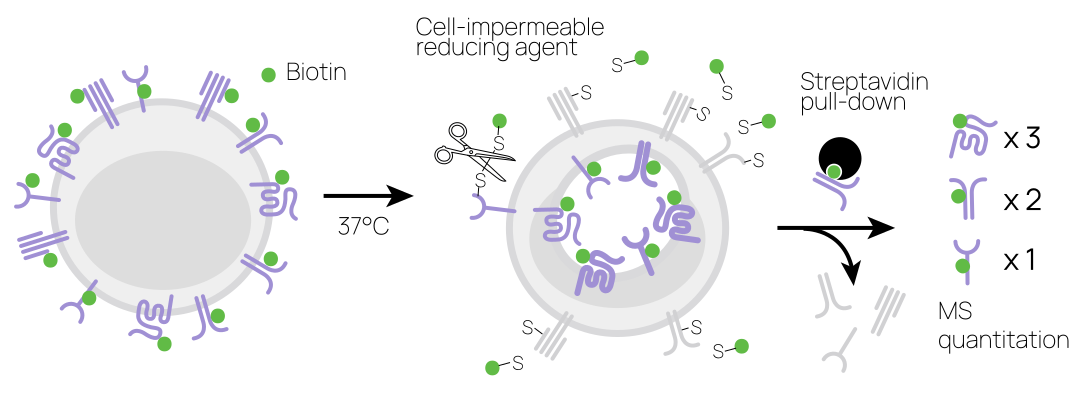
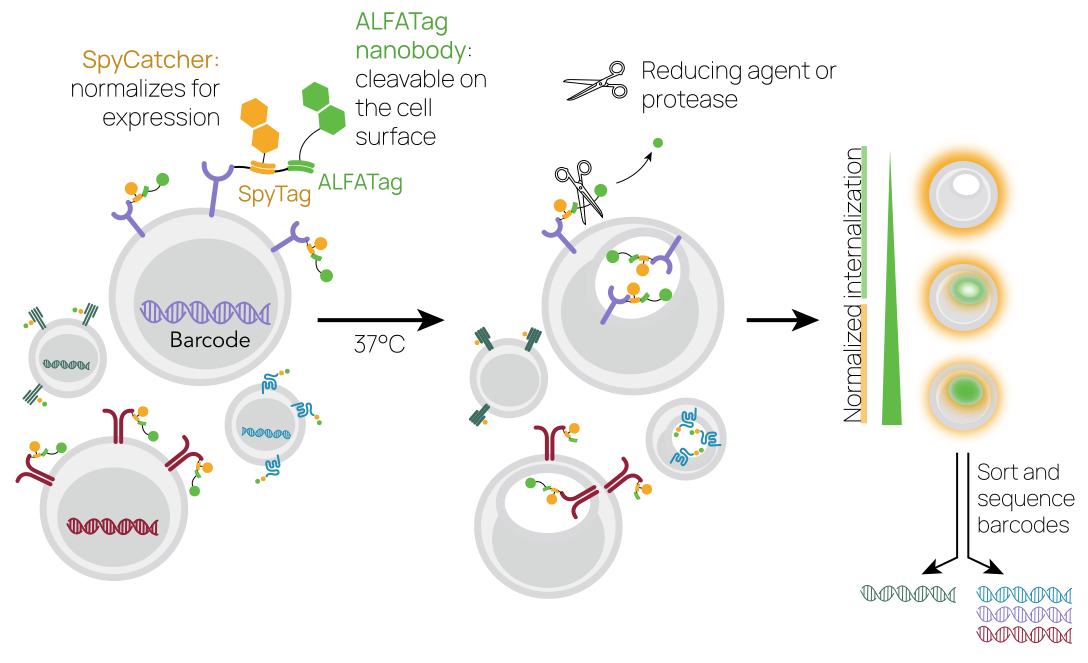
A surface protein is only useful for delivery if it brings cargo inside. We'll rank internalization across the surfaceome with two complementary approaches: enrichment-based mass spectrometry measures which endogenous proteins get internalized, and pooled functional-genomics screens can capture surface proteins proteomics methods may miss. Together they give a ranked, surfaceome-wide view of which proteins ferry cargo into cells.
Proteomics
Functional genomics
Trafficking
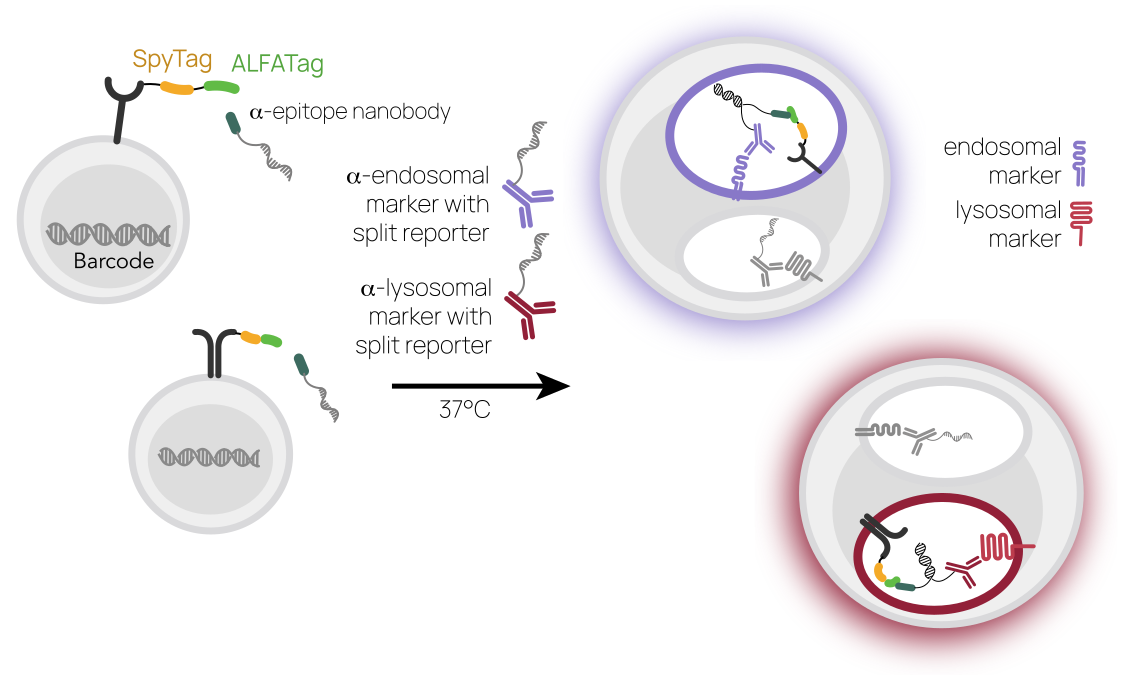
Internalized cargo doesn't always end up where you need it — endosome, lysosome, or back out to the surface. The route determines whether a payload works. The same pooled screens let us map where each surface protein sends its cargo next.
Delivery
The atlas is only useful if it predicts what gets delivered. Functional delivery assays close the loop. They connect abundance, internalization, and trafficking to the question that matters: does a prototypical payload reach its target and do its job?